






Choosing the right shapewear construction is an important decision for retailers, distributors, and private-label brands. While both seamless and traditional shapewear are designed to shape and smooth the body, they differ in construction methods, design possibilities, and product applications.
For wholesale buyers, understanding these differences can help you select the right styles, serve different customer preferences, and build a more competitive product assortment.
In this guide, we'll compare seamless vs. traditional shapewear, explore their key characteristics, and explain what to consider when sourcing products for your business.
1. What Is Seamless Shapewear?
Seamless shapewear is commonly produced using knitting techniques that create garments with minimal or reduced joining seams. Depending on the design, shaping zones, stretch, and support can be incorporated directly into the knitted fabric.
This construction allows manufacturers to create streamlined garments designed to minimize visible lines under clothing.
Key Features of Seamless Shapewear
Smooth appearance: Reduced seam visibility can help create a more discreet finish under fitted garments.
Flexible construction: Knitted structures can combine different levels of stretch and support across selected areas.
Streamlined design: Many seamless styles feature clean edges and a minimalist appearance.
Everyday versatility: Lightweight or moderate-shaping designs can be suitable for customers looking for everyday smoothing.
Popular Seamless Shapewear Styles
-
Seamless shaping bodysuits
-
Seamless shaping shorts
-
High-waisted shaping briefs
-
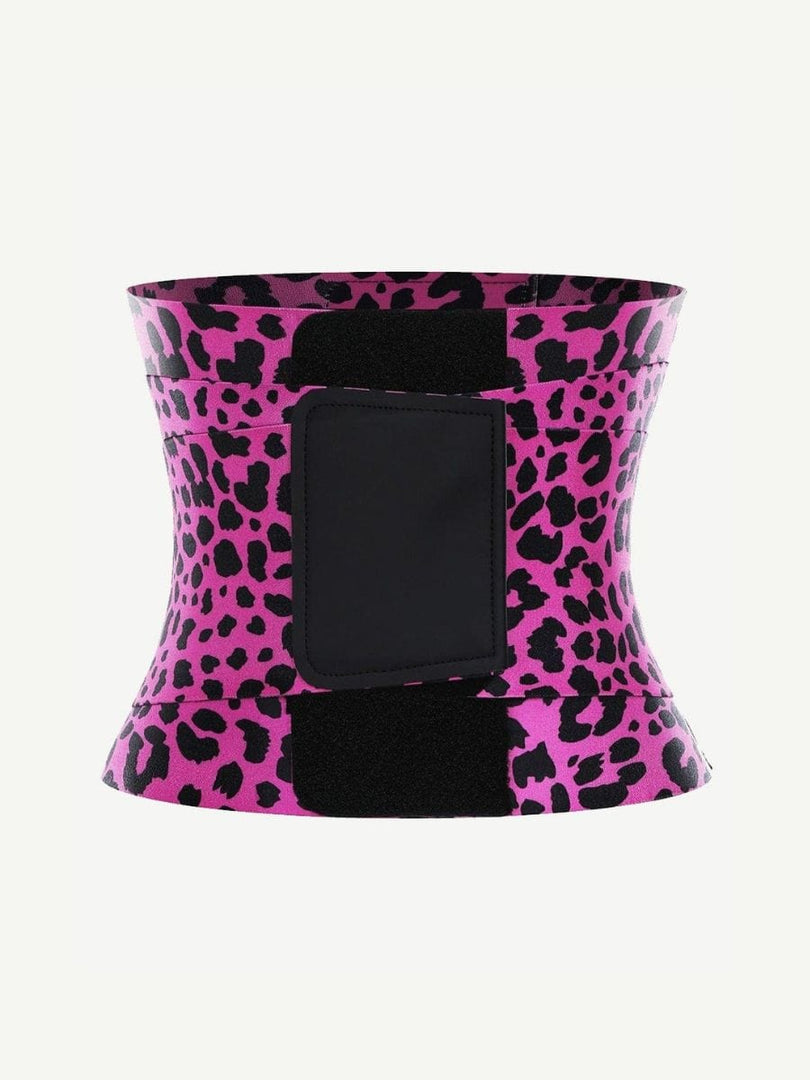
Seamless waist and tummy shapers
For wholesale buyers, seamless shapewear can be a valuable category when building a collection focused on streamlined styling, versatile wear, and contemporary product design.
However, seamless construction alone does not determine compression, comfort, or quality. Fabric composition, knitting structure, garment finishing, and fit all contribute to the final performance.
2. What Is Traditional Shapewear?
Traditional shapewear generally uses cut-and-sew construction, in which fabric panels are cut, assembled, and stitched together to create the garment's shape and support structure.
This approach allows manufacturers to combine different fabrics, reinforcement panels, linings, and closures according to the intended design.
Traditional shapewear can range from lightweight smoothing garments to more structured styles with firmer support.
Key Features of Traditional Shapewear
Construction flexibility: Multiple fabric panels can be combined to achieve specific shaping and coverage requirements.
Targeted support: Reinforced sections and strategically positioned panels can help provide support in selected areas.
Design variety: Cut-and-sew construction can accommodate a broad range of silhouettes, closures, and functional details.
Structured shaping options: Depending on the materials and construction, some styles can provide firmer or more defined shaping.
Popular Traditional Shapewear Styles
-
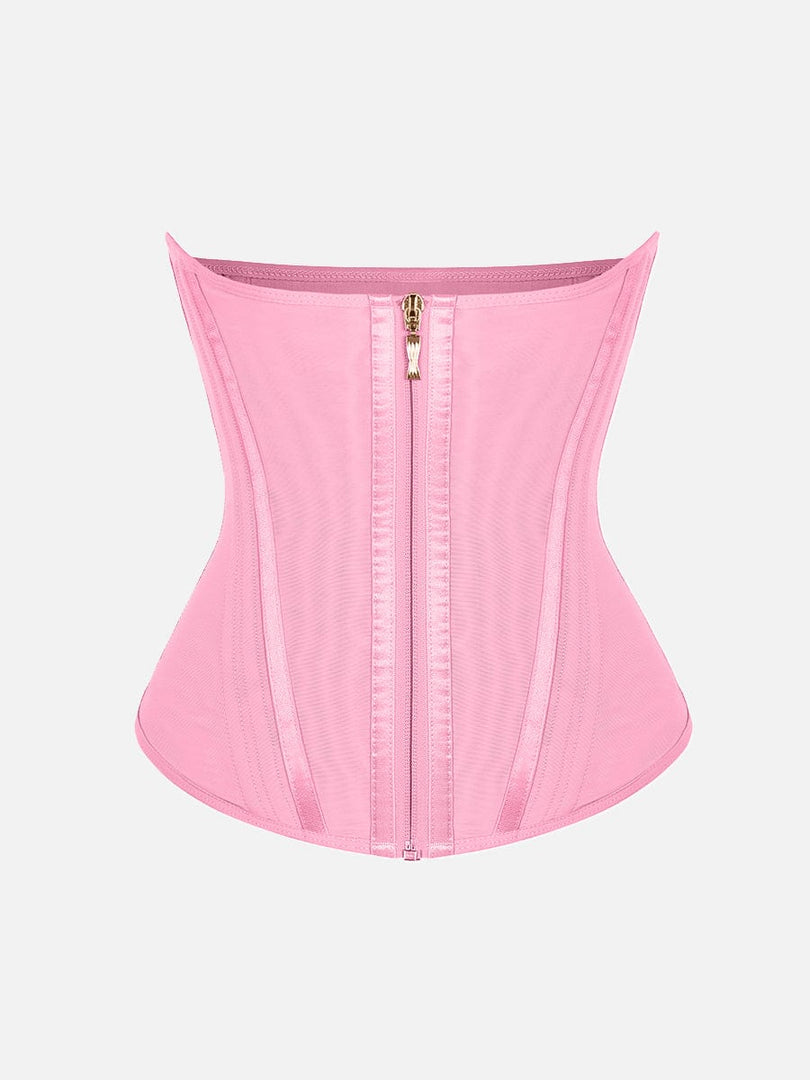
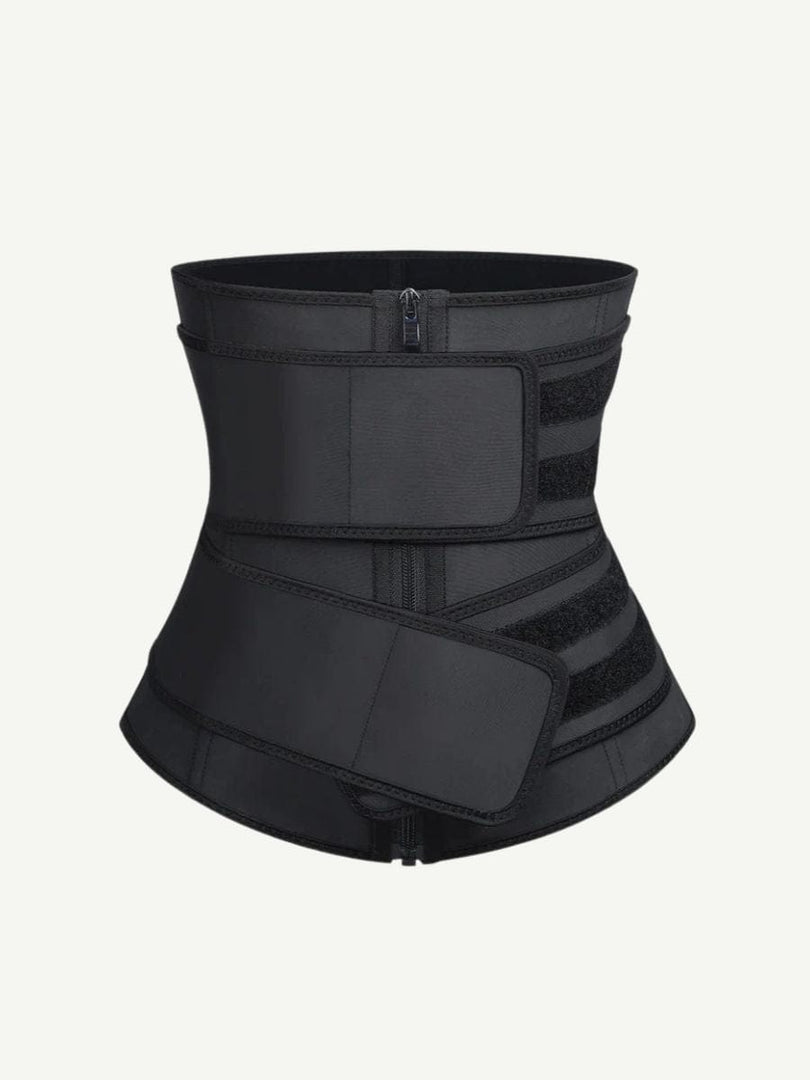
Structured waist shapers
-
Panelled tummy-control briefs
-
Shaping shorts with reinforced sections
-
Full-body shapewear with hook closures
-
Styles featuring additional support panels or boning
For brands that need specific construction details or differentiated product designs, traditional shapewear offers flexibility in product development.
It is important to note that traditional shapewear is not necessarily more compressive than seamless shapewear. The actual level of support depends on the garment's design, materials, and construction.
3. Seamless vs. Traditional Shapewear: Key Differences
Although both categories serve the shapewear market, their construction methods can influence appearance, design flexibility, and sourcing considerations.
| Comparison | Seamless Shapewear | Traditional Shapewear |
|---|---|---|
| Construction | Knitted construction with minimal joining seams | Cut-and-sew fabric panels |
| Appearance | Often designed for a smooth, streamlined finish | May feature visible seams and structured panels |
| Design flexibility | Shaping can be integrated into knitted zones | Multiple panels and components can be combined |
| Support options | Vary by knit structure and garment design | Vary by fabric, panels, lining, and closures |
| Common applications | Everyday smoothing and streamlined styles | Structured shaping and feature-specific designs |
| Key quality checks | Stretch recovery, knitting consistency, edge finishing | Stitching, panel alignment, closure durability |
Neither construction method is automatically superior. The right choice depends on your target market, product positioning, quality requirements, and intended use.
4. Which Type of Shapewear Is Better for Your Target Market?
For wholesale buyers, the most effective product selection starts with understanding customer expectations.
For Everyday Shapewear Collections
Seamless styles may be worth prioritizing when your target customers value a smooth appearance under clothing and versatile styling.
Consider seamless bodysuits, shaping shorts, and high-waisted briefs. Evaluate fabric recovery, edge construction, opacity, and fit to ensure the garments perform consistently.
For Structured Shaping Collections
Traditional cut-and-sew styles may be a better fit when your product range requires reinforced panels, specific closures, or more detailed construction.
Consider waist shapers, structured bodysuits, and shaping garments with targeted support features. Review the actual product specifications rather than assuming that construction type determines compression.
For Brands Serving Multiple Customer Segments
A balanced assortment can include both seamless and traditional styles.
For example, a collection might feature seamless everyday essentials alongside structured waist shapers and bodysuits with differentiated design details.
This approach allows buyers to test different product categories and adjust their assortment according to sales performance and customer feedback.
5. How to Choose Between Seamless and Traditional Shapewear for Wholesale
Before placing a wholesale order, evaluate each product against your commercial objectives and quality requirements.
Define Your Product Positioning
Decide whether your collection focuses on everyday smoothing, targeted shaping, structured support, or a combination of these needs.
A clear positioning strategy helps you compare products based on their intended purpose instead of selecting styles based on appearance alone.
Evaluate Fabric and Construction Quality
For seamless shapewear, examine fabric stretch, recovery, knitting consistency, edge finishing, and opacity.
For traditional shapewear, inspect stitching quality, panel placement, reinforcement, closure durability, and fabric consistency.
For both categories, confirm that the finished product meets your quality standards.
Review Fit and Size Consistency
Shapewear fit can vary significantly between designs. Request measurements, review size charts, and test samples where possible.
Check waistband stability, garment length, ease of movement, and whether the product maintains its intended fit after repeated wear and washing according to care instructions.
Consider Minimum Order Quantities and Replenishment
Wholesale buyers should also evaluate minimum order quantities, available colors and sizes, production lead times, and repeat-order arrangements.
For new product categories, starting with a manageable assortment can help you assess market response before expanding your purchasing commitment.
6. What to Look for in a Shapewear Manufacturer
The right manufacturing partner can help you develop a product assortment that matches your specifications and business goals.
When comparing shapewear suppliers, consider the following factors:
Product development capabilities: Can the manufacturer support different construction methods, garment designs, and functional requirements?
Quality control: Are product specifications, inspection procedures, and quality expectations clearly defined?
Customization options: Can the supplier support private labels, custom logos, packaging, or OEM/ODM projects where available?
MOQ and production planning: Are minimum quantities and production lead times suitable for your purchasing plans?
Supply consistency: Can the manufacturer communicate stock availability, replenishment schedules, and changes in production clearly?
Communication: Does the supplier provide timely responses and practical support throughout the sourcing process?
Comparing these factors helps you evaluate suppliers beyond unit price and choose a partner that supports your long-term business development.
Build a More Balanced Shapewear Collection with Waistdear
Seamless and traditional shapewear each offer distinct advantages. Seamless construction is often associated with streamlined designs and reduced seam visibility, while traditional cut-and-sew construction allows greater flexibility in combining panels, reinforcements, and closures.
For wholesale buyers, the best product mix depends on your target customers, product positioning, quality requirements, and sourcing strategy.
At Waistdear, we support wholesale shapewear sourcing for businesses looking to develop and expand their product collections.
Explore our shapewear range to compare different styles and product features. For wholesale inquiries, private-label opportunities, or custom development requirements, contact our team to discuss your business needs.
