




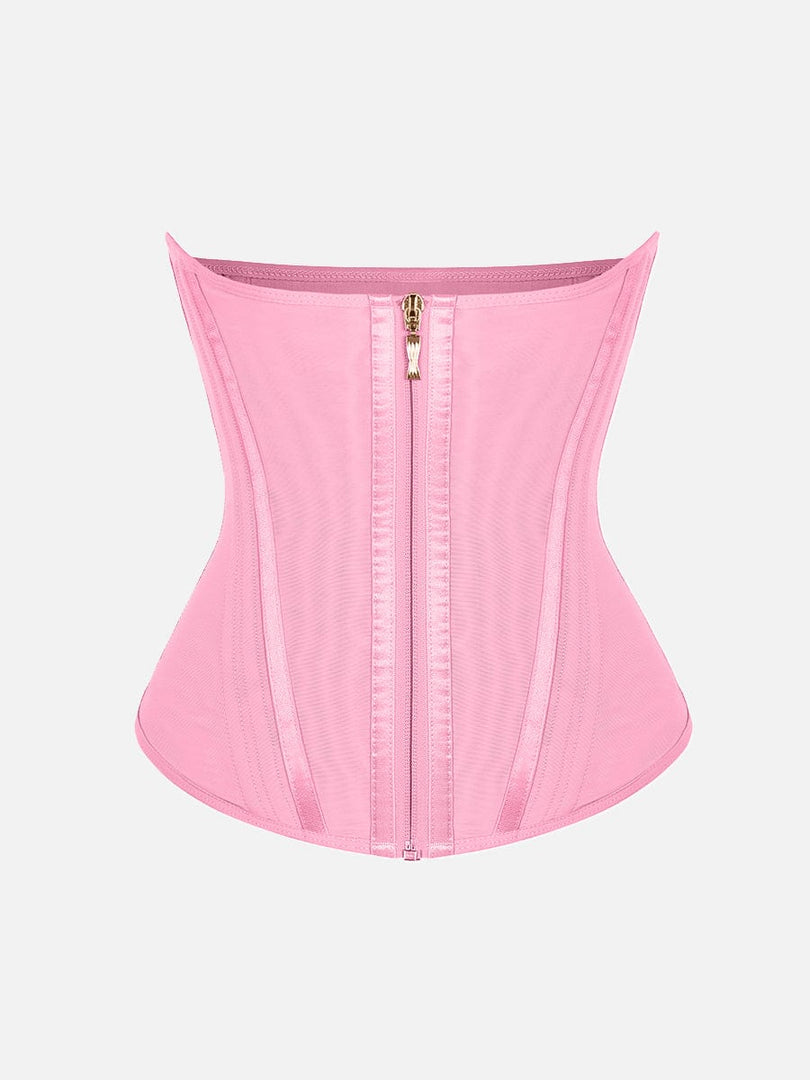
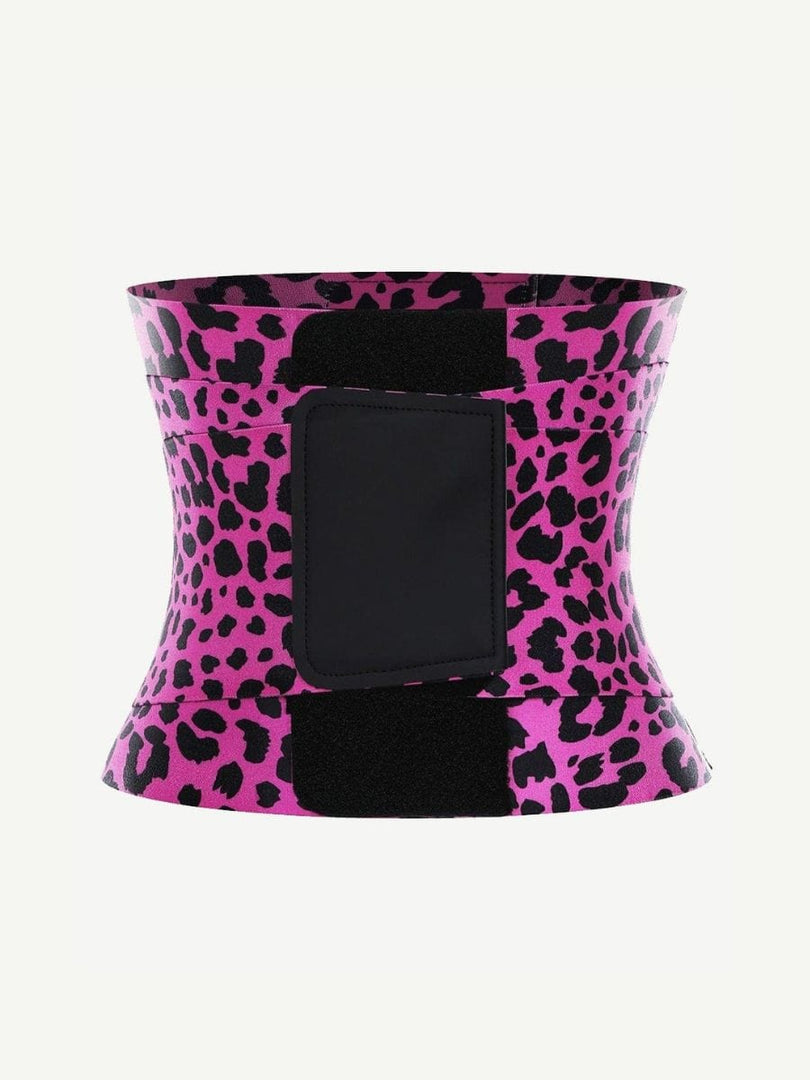
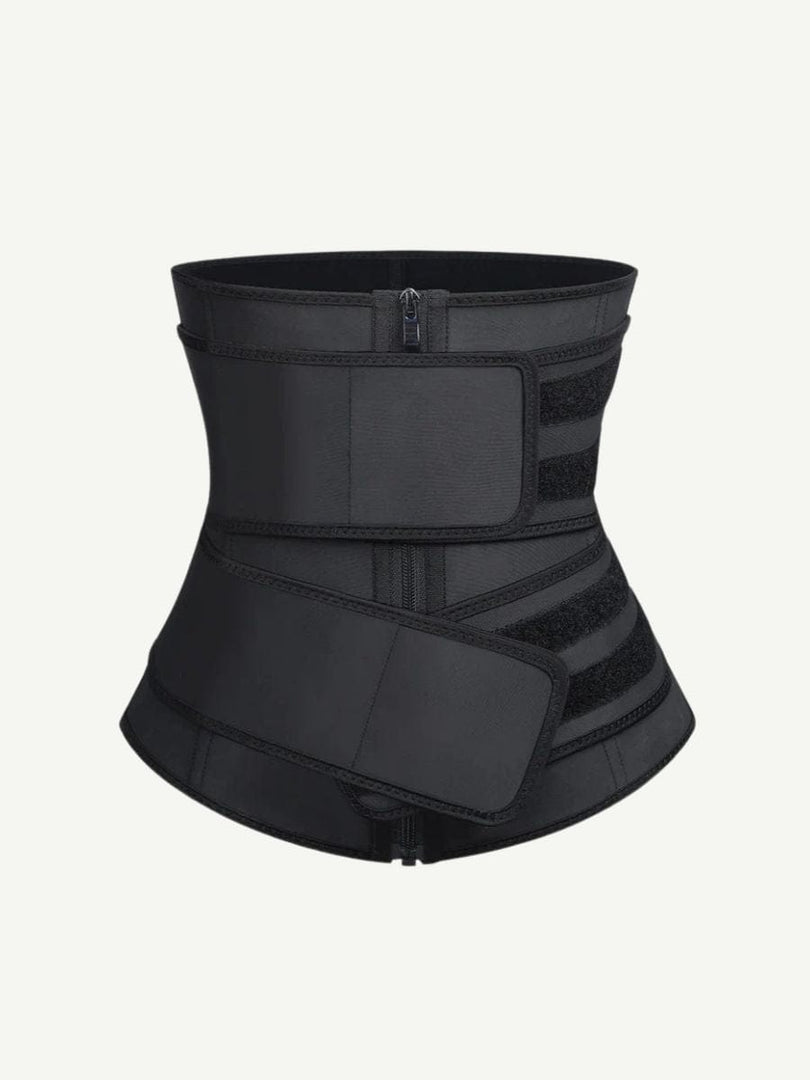


Buying shapewear in bulk is a sequence of decisions: choose the product and purchasing route, plan the size mix, assess a relevant sample, compare the complete cost and confirm the order terms. A larger quantity does not by itself guarantee lower overall costs, faster delivery or consistent results.
This guide helps a business buyer prepare an initial purchase or a reorder without confusing existing-stock sourcing with branding or new product development.
1. Choose the purchasing route
- Existing products: start with a product link or SKU and confirm the current colour, size and quantity options.
- Branding existing garments: identify the logo, label or packaging work and ask how it affects preparation, sample approval and cost.
- OEM/ODM terminology: Waistdear's service page describes private-label work using catalog products as OEM and product development from buyer ideas or samples as ODM. Suppliers may use the terms differently, so describe the actual work and requested changes.
A stock-product order condition should not be assumed to cover custom production or the manufacture of packaging materials.
2. Plan quantities by style, colour and size
Base the mix on the customers and sales channel you intend to serve. List each style and colour separately, with the quantity for every size. For an initial purchase, distinguish what you know from what you are testing; avoid treating a broad range of sizes as a reason to order equal quantities of each.
Ask which minimum quantities apply and how they are measured. Clarify any requirements for individual styles, colours, sizes, labels or packaging. Keep the quantity breakdown in the quotation so that the total can be checked against the order.
3. Review sizing and a representative sample
Use measurements and instructions for the selected style, not just a familiar size letter. The size information page provides a starting point for a Waistdear enquiry; ask which information applies to the specific product.
When reviewing a sample, record fit, movement, seams, closures and fabric feel. For branding or development work, review the relevant mock-up or sample and document requested changes. Identify the approved version before discussing bulk preparation or production.
4. Compare the complete cost
Compare quotations for the same specification and quantity breakdown. Include applicable sample, artwork, branding, label, packaging and freight charges. Check whether taxes or duties are included or need to be assessed separately for your destination.
A lower garment price can be offset by other charges or by a quantity mix that does not suit your customers. Avoid assuming a particular margin or sales result from the wholesale price alone. Ask for the currency, quotation validity and exclusions to be stated clearly.
5. Separate preparation, dispatch and transport
State your desired arrival date and ask which stages the estimate covers. Stock preparation, logo application, garment development and transport are different activities. Ask which approvals or payments must be completed before the relevant stage starts.
Review shipping information and request freight details for the actual destination and order. Do not apply a generic dispatch or arrival claim to a different shipment.
6. Confirm the written terms before ordering
- Product references and the final style, colour and size breakdown.
- The agreed branding or development specification, if applicable.
- Price inclusions, exclusions and payment stages.
- How quantity or specification changes will be assessed.
- Applicable cancellation, defect-reporting and return conditions.
- The contact route for shipment information and order questions.
Read the relevant payment information and return policy. If a quotation and a policy appear inconsistent, resolve the difference before proceeding rather than deciding which statement to rely on after the order is placed.
7. Use the first order to inform the next one
After receipt, compare the shipment with the agreed quantity and specification. Keep records of size demand, customer feedback and any problems using your existing reporting process. Use those observations to adjust the next order instead of assuming the original mix is automatically suitable for a larger purchase.


Prepare a Waistdear bulk enquiry
Browse wholesale shapewear, review the wholesale service page and send your selected products, quantity breakdown and destination through Contact Waistdear. Include any branding or development needs so that the request describes the full scope of the purchase.

