






When building a shapewear collection, wholesale buyers often need to decide whether to focus on seamless products, traditional cut-and-sew designs, or a combination of both. Each construction method offers different possibilities in terms of appearance, shaping performance, product development, and target customers.
The choice should not be based on the product name alone. Seamless garments can vary significantly in fabric, knitting structure, and finishing, while traditional shapewear can range from lightweight smoothing garments to highly structured designs.
For boutiques, online retailers, distributors, and private-label brands, understanding these differences makes it easier to select products that fit the market and purchasing strategy.
This guide compares seamless and traditional shapewear and explains what buyers should evaluate before placing a wholesale order.
1. What Is Seamless Shapewear?
Seamless shapewear is designed to minimize or reduce visible seams. Depending on the product, manufacturers may use specialized knitting processes, integrated fabric structures, bonded edges, or other techniques to create a smoother finish.
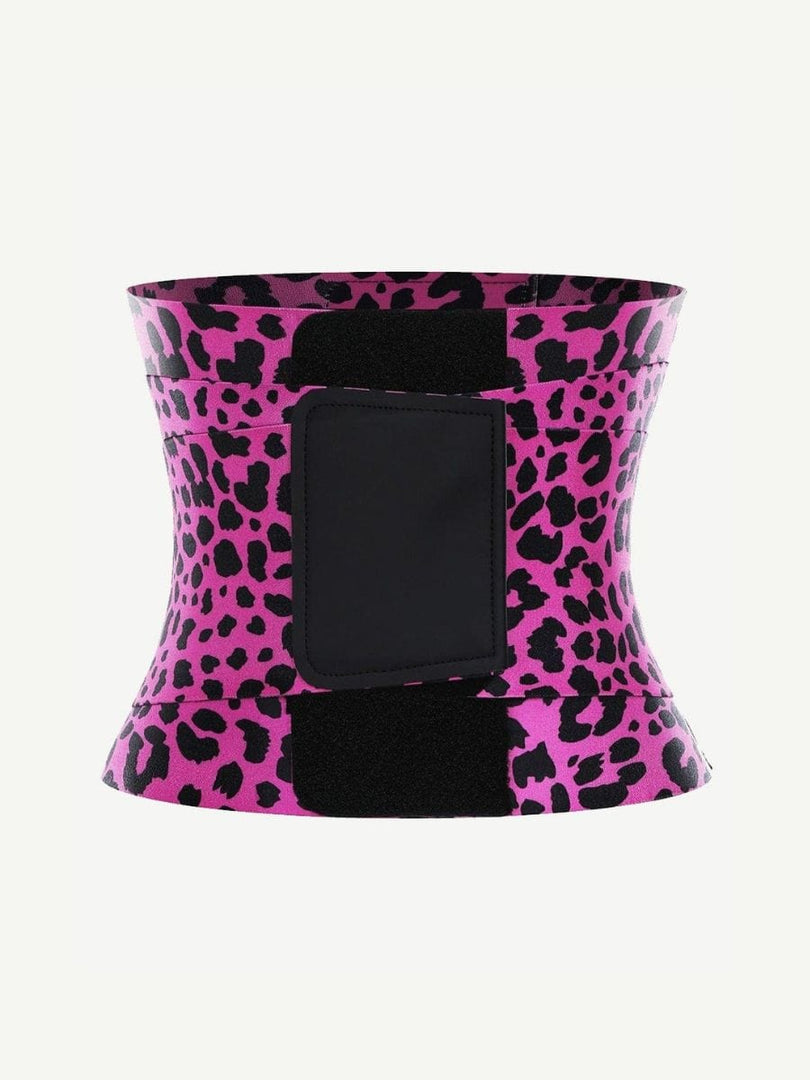
Common seamless products include bodysuits, briefs, shaping shorts, camisoles, and waist-focused garments.
Key characteristics
Seamless products are often selected for their discreet appearance beneath fitted clothing. The absence or reduction of bulky seams may help create a smoother outline, although the final result depends on the fabric, fit, edge finishing, and garment design.
Stretch and recovery are also important. A garment needs enough flexibility to accommodate movement while returning to its intended shape after stretching.
What buyers should check
Do not assume that every seamless product offers the same level of comfort or shaping. Review fabric thickness, transparency under tension, compression distribution, edge stability, and size consistency.
Ask whether the garment is knitted as one piece or assembled using different techniques. The term “seamless” can describe different constructions, so the supplier should explain exactly how the product is made.
Explore our seamless shapewear collection to compare available options.
2. What Is Traditional Shapewear?
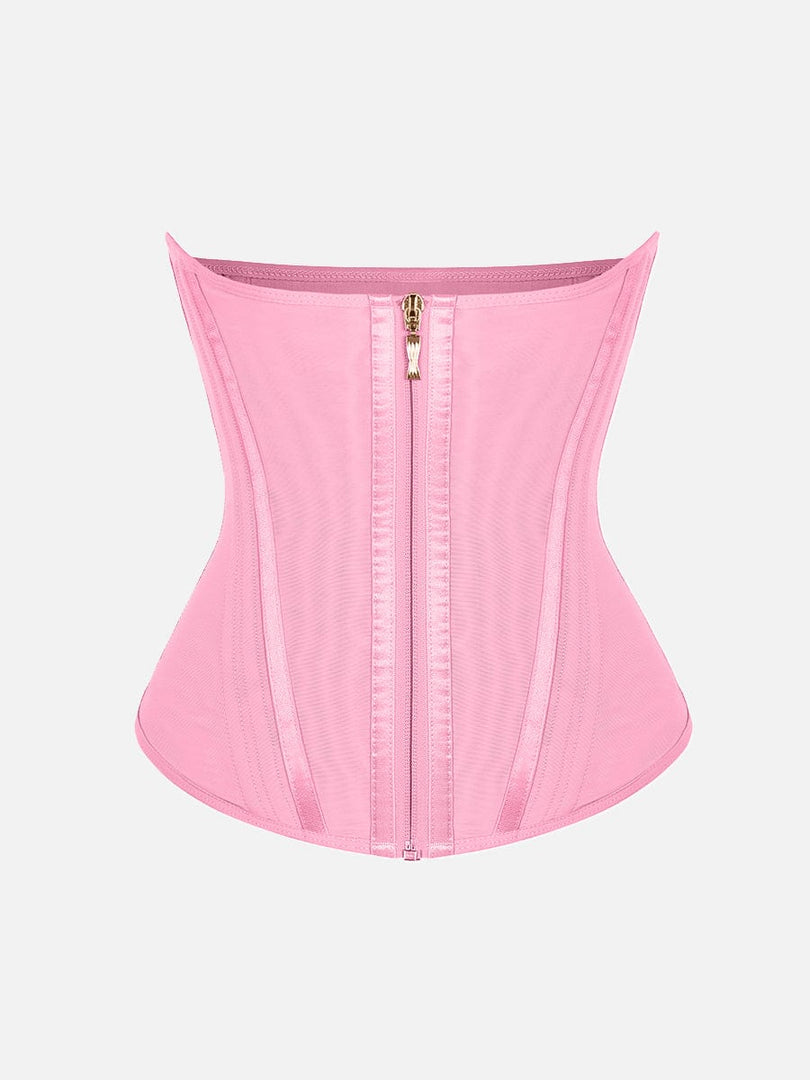
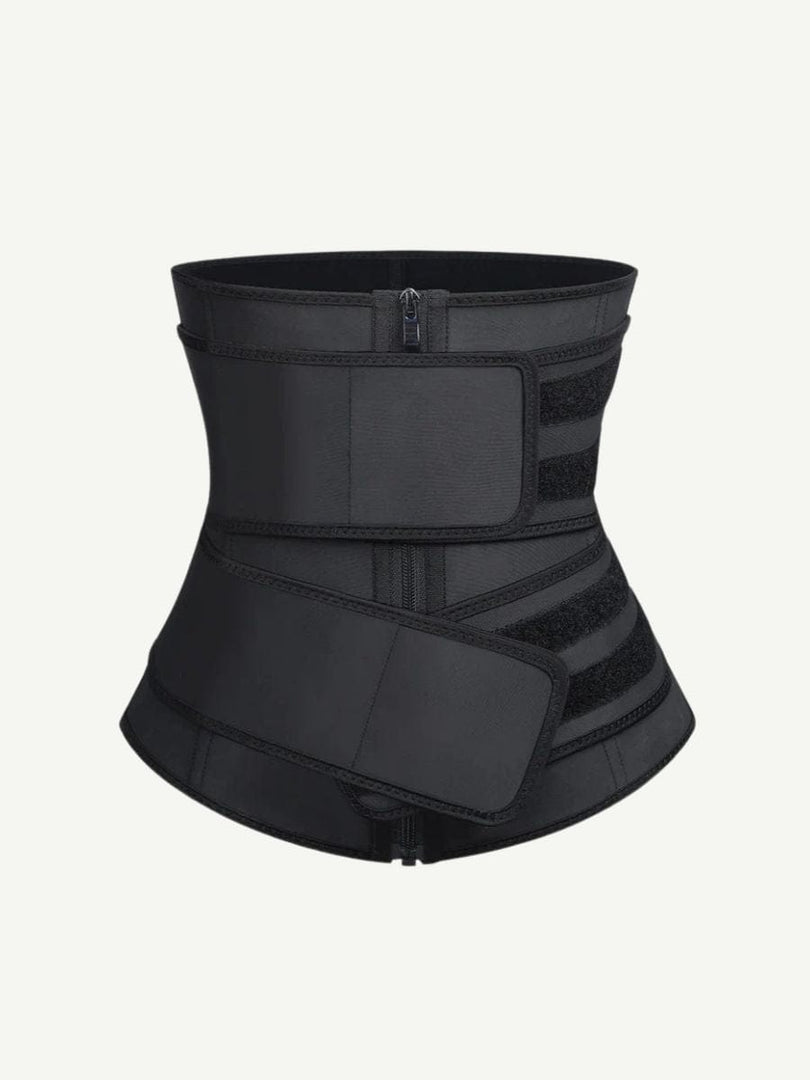
Traditional shapewear is generally constructed by cutting and assembling fabric panels. Depending on the design, it may use seams, reinforced sections, elastic components, closures, boning, or structured panels to achieve a specific fit.
This category includes many types of bodysuits, shaping briefs, waist shapers, and full-body garments.
Key characteristics
Panel construction allows designers to combine different materials and place shaping sections in specific areas. This can be useful when a product requires distinct support zones, adjustable closures, or a more structured silhouette.
Traditional construction can also provide flexibility in product development. Designers may adjust panel shapes, seams, linings, and reinforcement according to the intended function.
However, seams and edges must be carefully designed. Poorly positioned seams, bulky stitching, or unsuitable materials can affect comfort and create visible lines beneath clothing.
3. Seamless vs. Traditional Shapewear: Main Differences
Appearance under clothing
Seamless products are often chosen when minimizing visible lines is a priority. However, seamless construction alone does not guarantee invisibility. Fabric thickness, color contrast, edge design, and fit can all affect the result.
Traditional garments may have more visible seams, but well-designed construction can still provide a smooth appearance. Buyers should assess the finished garment under representative clothing rather than judging it only on a hanger.
Shaping structure
Traditional panel construction can allow targeted reinforcement in selected areas. This may be useful for garments that require different levels of support across the waist, abdomen, back, or hips.
Seamless garments can also provide targeted shaping through knitting structures and material selection. The actual performance depends on the engineering of the garment, not simply whether seams are present.
Comfort and flexibility
Comfort depends on fabric, fit, compression, edge finishing, and garment design. Seamless construction may reduce irritation caused by bulky seams, but a garment that is too tight or has unstable edges can still feel uncomfortable.
Traditional garments can be comfortable when seams are flat, materials are suitable, and the garment fits correctly.
Product variety
Both categories offer broad design possibilities. Seamless collections may emphasize smooth finishes and flexible everyday wear, while cut-and-sew products can offer more complex panel arrangements and construction details.
Wholesale buyers should compare actual product features instead of assuming one category is always more versatile.
Development and sourcing
The development process depends on the supplier's equipment, expertise, and existing product range. Some manufacturers specialize in particular knitting techniques, while others have stronger capabilities in cut-and-sew construction or structured garments.
Ask suppliers about sample development, customization options, production capacity, MOQ, and lead times before selecting a product strategy.
4. Which Type Is Better for Different Retail Strategies?
There is no single construction method that suits every business. The right choice depends on the customer, product positioning, and range of styles you want to offer.
Everyday essentials
For collections focused on everyday smoothing and discreet layering, seamless bodysuits, briefs, and shorts may be useful starting points.
Buyers should prioritize stretch recovery, comfortable edges, suitable fabric thickness, and consistent sizing.
Structured shaping products
Brands that emphasize targeted shaping may benefit from comparing traditional panel-based products and engineered seamless alternatives.
Evaluate the location of reinforcement, closure design, garment stability, and the intended compression level.
Fashion-oriented collections
Retailers targeting customers who wear fitted dresses, low-cut tops, or different garment silhouettes may need multiple designs. Neckline, leg opening, back coverage, and garment length can be as important as the construction method.
A mixed assortment can help serve different preferences without relying on a single product type.
5. A Wholesale Buyer's Product Evaluation Checklist
Before choosing between seamless and traditional shapewear, assess each product against consistent criteria.
Fabric performance: Check stretch, recovery, thickness, transparency, and surface feel.
Construction quality: Inspect seams, edges, reinforcement, closures, straps, and finishing.
Fit and sizing: Compare measurements across sizes and request grading information.
Comfort during movement: Test sitting, walking, bending, and normal daily movement where appropriate.
Durability: Follow care instructions and evaluate how the garment behaves after washing and repeated stretching.
Commercial terms: Confirm MOQ, unit pricing, sample availability, production lead times, and replenishment options.
Customization: If you are developing a private-label range, confirm which changes are available for labels, packaging, materials, and product design.
A consistent checklist makes it easier to compare suppliers fairly and reduces the risk of choosing a product based only on photographs or price.
6. Should You Stock Both Seamless and Traditional Shapewear?
For many wholesale businesses, the choice does not need to be either-or. A carefully planned collection can include both construction types, provided each product serves a clear purpose.
For example, a core range may include seamless bodysuits and briefs for customers seeking a smooth finish. Selected traditional designs can add structured shaping, specialized closures, or different coverage options.
The key is differentiation. Avoid stocking several products that look almost identical unless there is evidence of demand across price points, colors, or features.
Start with a manageable number of styles and evaluate sales, customer feedback, size-level demand, and repeat purchases before expanding.
7. Questions to Ask Your Supplier
When discussing products with a shapewear manufacturer, ask:
-
What construction method is used for each style?
-
Which areas provide shaping support?
-
How does the fabric perform under stretch?
-
What quality checks are performed during production?
-
Can the supplier provide samples and detailed size charts?
-
What are the MOQ, lead time, and replenishment arrangements?
-
Which private-label or customization options are available?
A supplier should be able to explain the construction and intended use of each product clearly.
Conclusion
Seamless and traditional shapewear can both play important roles in a wholesale collection. Seamless construction may be suitable for products where a smooth finish and flexible wear are priorities. Traditional construction can offer opportunities for targeted panels, reinforcement, and more structured designs.
Neither approach is automatically superior. The best choice depends on the product's construction, fit, target customer, quality, and commercial requirements.
Explore our wholesale shapewear collection, compare shapewear bodysuit styles, or learn about our private-label services to plan your next collection.

