






Types of Shapewear for Wholesale Buyers: A Complete Product Selection Guide
Choosing the right shapewear styles is essential for building a competitive product line. For wholesalers, distributors, retailers, and private-label brands, a well-planned assortment can help meet different customer needs, expand market opportunities, and support long-term business growth.
From shaping bodysuits and seamless shapewear to waist shapers and shaping shorts, each product category offers distinct features and selling opportunities.
In this guide, we'll explore the main types of shapewear, compare their key features, and explain how wholesale buyers can select the right styles for their target markets.
1. Shaping Bodysuits: An Essential Category for Wholesale Shapewear
Shaping bodysuits are a versatile option for shapewear collections. Designed to provide coverage across multiple areas of the body, they can combine tummy control, waist definition, back smoothing, and bust support in one garment.
Depending on the design, wholesale shapewear bodysuits may feature adjustable straps, built-in bust support, hook-and-eye closures, open-bust construction, or full-body coverage.
Key features:
-
All-in-one shaping for a streamlined silhouette
-
Different coverage options for varied customer preferences
-
Multiple designs for everyday wear and occasion dressing
-
Opportunities for private-label branding and product differentiation
Best suited for: Lingerie boutiques, shapewear retailers, online stores, and brands looking to develop a versatile core collection.
For wholesale buyers, bodysuits with different neckline designs, strap configurations, and levels of coverage can help create a more complete assortment without relying on a single product style.
2. Seamless Shapewear: Comfort Meets a Smooth Finish
Seamless shapewear is designed to minimize visible seams and create a smooth appearance under clothing. Its streamlined construction makes it a practical option for customers who prioritize comfort, discreet styling, and everyday versatility.
Depending on the manufacturing technique, seamless styles may include knitted-in shaping zones, reinforced waist panels, and different levels of compression.
Key features:
-
Minimal visible seams under fitted clothing
-
Smooth fabric construction
-
Flexible designs for everyday use
-
Different shaping zones for targeted support
Best suited for: Everyday shapewear brands, fashion retailers, e-commerce sellers, and businesses targeting customers who prefer discreet shaping solutions.
When sourcing seamless shapewear, buyers should evaluate fabric recovery, stretch, opacity, finishing quality, and consistency across sizes. These factors can influence the product's fit, appearance, and overall quality.

3. Waist Shapers: Focused Waist and Tummy Support
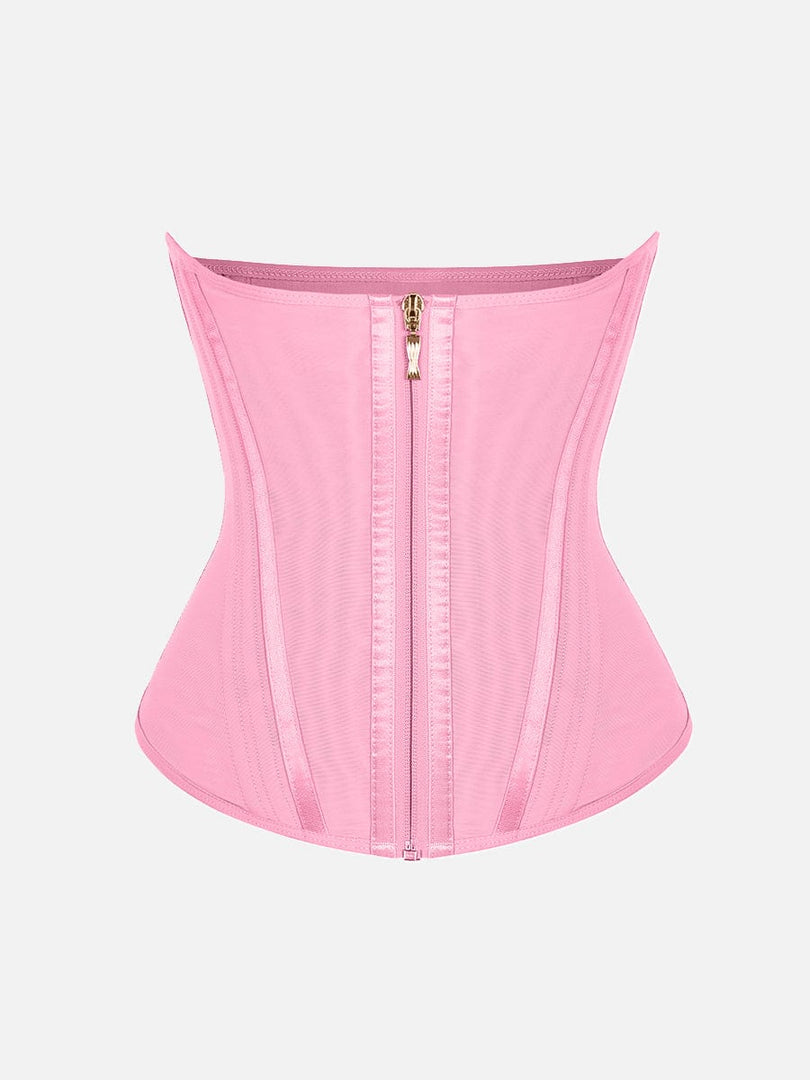
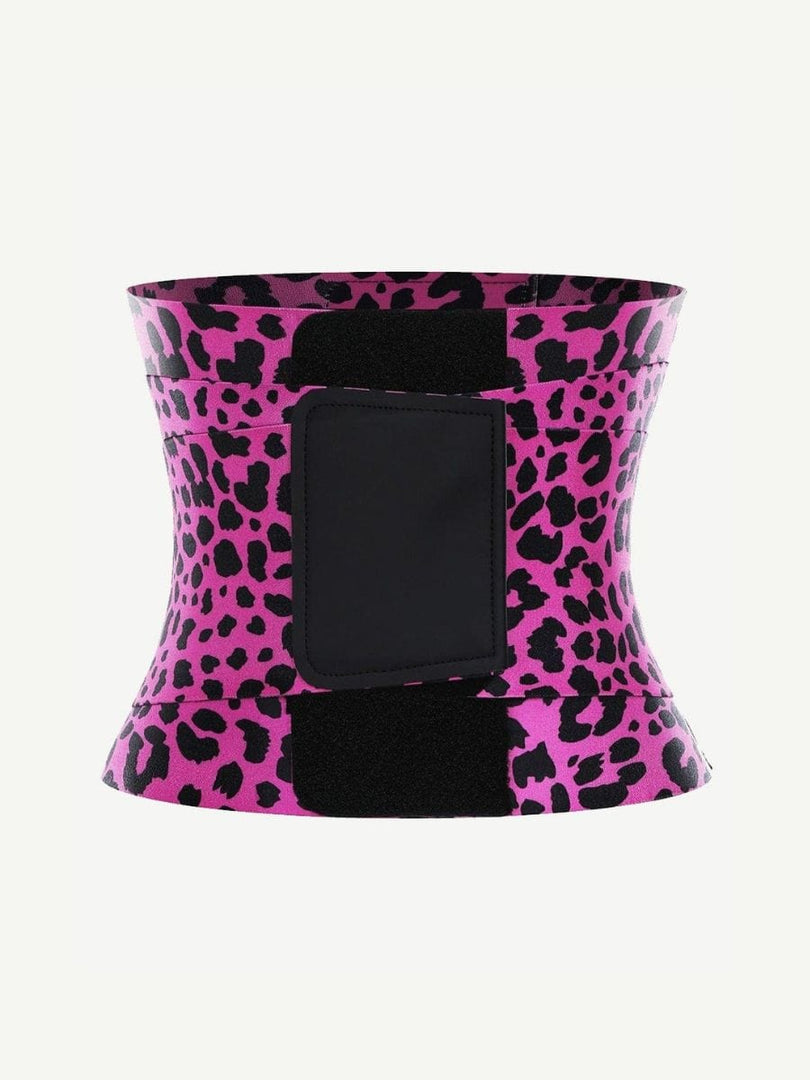
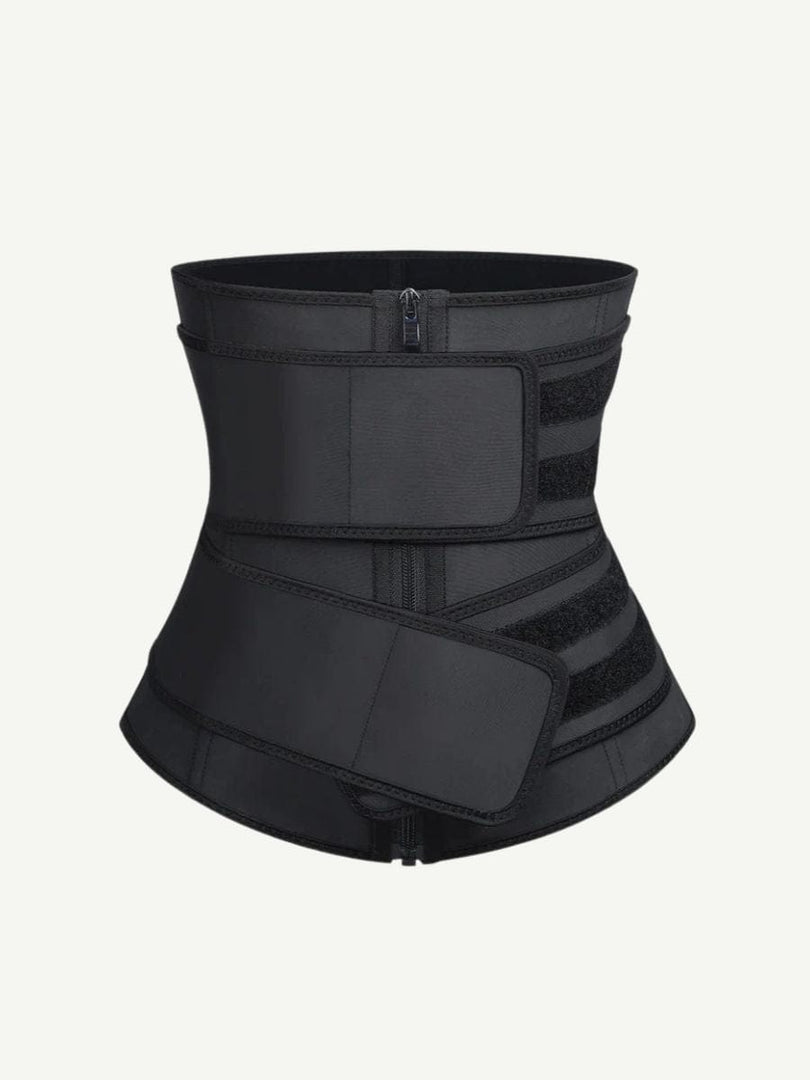
Waist shapers focus on the midsection, helping create a more defined waistline and a smoother-looking tummy area. Depending on their construction, they may use reinforced panels, multiple layers of fabric, hook closures, or flexible support elements.
Different designs offer different wearing experiences, so it is important to distinguish between lightweight everyday shaping and firmer waist-focused styles.
Key features:
-
Targeted shaping around the waist and abdomen
-
Various closure and support designs
-
Options for different garment lengths
-
Opportunities to offer multiple shaping intensities
Best suited for: Shapewear specialists, lingerie boutiques, and retailers looking to expand their waist-shaping categories.
For wholesale purchasing, consider waistband height, closure durability, flexibility, comfort, and size availability. These details help determine whether a product is appropriate for everyday wear or more structured shaping needs.
4. Shaping Shorts: Practical Coverage and Smoothing
Shaping shorts combine midsection shaping with coverage across the hips and upper thighs. They are a useful addition to a shapewear collection because they offer an alternative to full-body garments.
Available designs may include high-waisted shorts, mid-thigh styles, extended-leg options, and versions with different levels of tummy control.
Key features:
-
Waist and tummy shaping
-
Coverage across the hips and upper thighs
-
Different leg lengths for varied preferences
-
Options for smoothing and reducing visible garment lines
Best suited for: Apparel retailers, lingerie stores, online fashion businesses, and brands targeting customers who want focused lower-body coverage.
Wholesale buyers should compare leg-opening construction, fabric stretch, waistband stability, and the tendency of the garment to roll or ride up during movement. These product details can make a meaningful difference in customer satisfaction.

5. High-Waisted Shaping Briefs: Everyday Shaping Essentials
High-waisted shaping briefs provide targeted support around the waist and abdomen in a compact design. They can be positioned as everyday essentials for customers who prefer less coverage than a bodysuit or shaping short.
Depending on the style, products may feature reinforced front panels, wider waistbands, smooth edges, or lightweight compression.
Key features:
-
Focused waist and tummy shaping
-
A compact, easy-to-layer design
-
Options for different rises and coverage levels
-
Potential for repeat purchases as wardrobe essentials
Best suited for: Lingerie retailers, underwear boutiques, and brands building an everyday shapewear collection.
For buyers, the main considerations include waistband comfort, edge finishing, fabric recovery, opacity, and fit consistency across the size range.

6. How to Choose the Right Shapewear Styles for Your Product Line
The best product assortment depends on your target customers, sales channels, price positioning, and business goals. Rather than sourcing every available style, wholesale buyers should build a balanced collection around clearly defined customer needs.
Start with Your Target Market
Different customer groups may prioritize different features.
-
Lingerie boutiques: Consider a balanced assortment of bodysuits, briefs, shaping shorts, and waist shapers.
-
Online retailers: Explore products with clear functional differences, varied coverage options, and strong visual presentation.
-
Established brands: Consider developing a consistent product family with coordinated designs, colors, and size ranges.
-
Distributors and wholesalers: Prioritize commercially versatile styles, reliable replenishment, and consistent product specifications.
Balance Core Products and Differentiated Styles
A practical product line can include everyday essentials alongside styles with more specialized features.
Core products help establish a consistent assortment, while differentiated designs can give buyers more options for specific customer preferences.
For example, a collection might combine seamless shaping shorts, high-waisted briefs, versatile bodysuits, and structured waist shapers. The exact assortment should reflect your sales data and target market rather than a fixed formula.
Evaluate Quality Beyond Appearance
Product images alone are not enough to assess shapewear quality. Before placing a wholesale order, review the details that affect fit, durability, and customer experience.
Consider:
-
Fabric composition, stretch, and recovery
-
Stitching, bonding, and edge finishing
-
Compression distribution and wearing comfort
-
Size grading and measurement consistency
-
Closure durability and construction details
-
Color consistency and repeat-order availability
Where possible, request samples and confirm specifications before moving into larger-volume purchasing.
7. What Wholesale Buyers Should Look for in a Shapewear Supplier
Choosing the right supplier is as important as choosing the right products. A reliable manufacturing partner can help buyers maintain consistent quality, manage replenishment, and develop a distinctive product line.
When evaluating a shapewear manufacturer, consider the following factors:
Product range: Does the supplier offer different shapewear styles, coverage options, and construction methods?
Manufacturing capabilities: Can the supplier support your required product specifications and quality standards?
Minimum order quantity: Are the available MOQ options suitable for testing new styles and planning inventory?
Customization services: Can the supplier support private labeling, custom logos, packaging, or OEM/ODM development where required?
Production and replenishment: Are lead times, inventory availability, and repeat-order processes clearly communicated?
Communication and quality control: Can the supplier provide clear specifications, production updates, and consistent quality checks?
A structured sourcing process helps wholesale buyers compare suppliers more effectively and build a product range that supports long-term business development.
Build a Shapewear Collection That Fits Your Market
There is no single shapewear style that meets every customer's needs. Bodysuits provide versatile coverage, seamless shapewear focuses on a smooth finish, waist shapers target the midsection, and shaping shorts offer additional hip and thigh coverage.
For wholesale buyers, the key is to select products based on customer demand, product quality, and a clear assortment strategy.
Working with a manufacturer that understands different shapewear constructions and wholesale requirements can also make it easier to develop a consistent and scalable collection.
Looking for a wholesale shapewear supplier?
Explore Waistdear's shapewear collection to discover styles for your product line. For wholesale sourcing, private-label opportunities, or custom product development, contact our team to discuss your business requirements.

