






Building a successful shapewear product line requires more than selecting a few popular styles. Wholesale buyers need to understand their target customers, identify gaps in the market, compare product features, evaluate supplier capabilities, and manage purchasing risks.
A well-planned collection should have a clear purpose. Each product should serve a specific customer need, complement the other items in the range, and fit the business's pricing and inventory strategy.
For boutiques, online retailers, distributors, and private-label brands, the challenge is balancing variety with simplicity. Too few options may limit customer choice, while too many similar styles can make inventory harder to manage.
This guide explains how to build a shapewear product line step by step, from defining your market to evaluating suppliers and planning replenishment.
1. Define Your Target Customer Before Selecting Products
The first step is understanding who your collection is intended to serve. Product selection becomes much easier when the target customer and market position are clearly defined.
Identify the main customer need
Different customers may prioritize different features. Some seek lightweight smoothing for daily wear, while others look for targeted shaping, specific garment coverage, or designs suitable for particular outfits.
Your product line might focus on:
-
Everyday shapewear and comfortable basics.
-
Seamless products designed for a discreet finish.
-
Bodysuits with different necklines and coverage options.
-
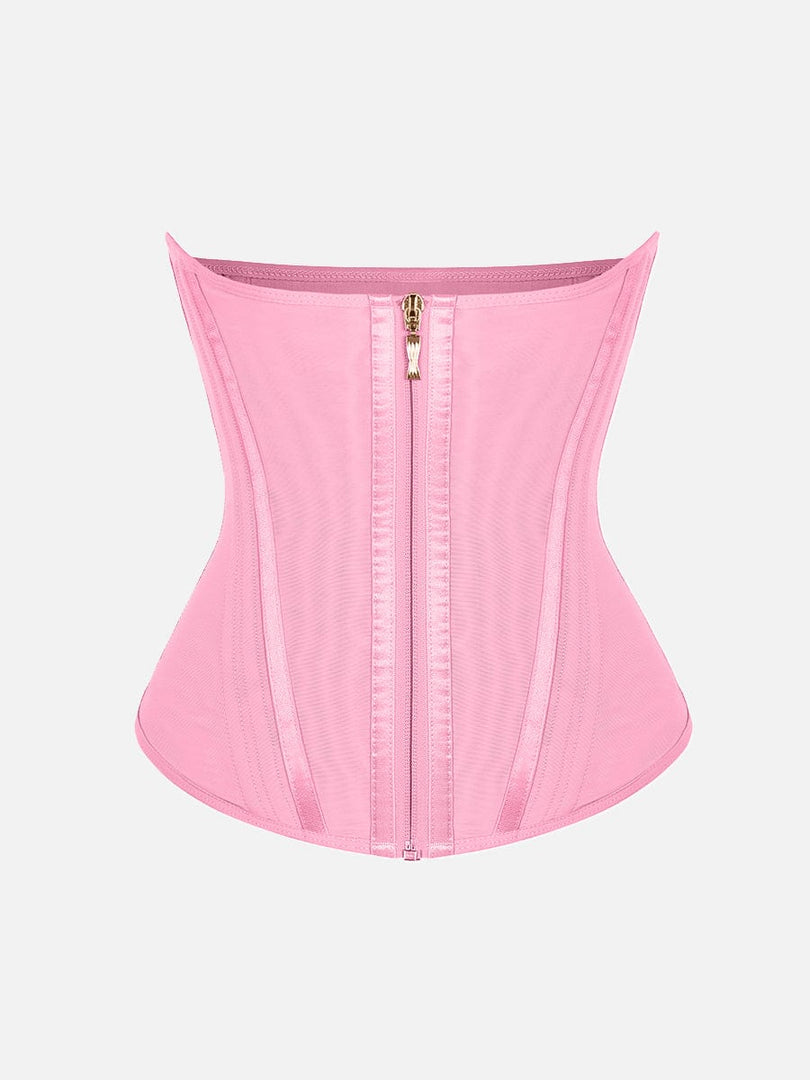
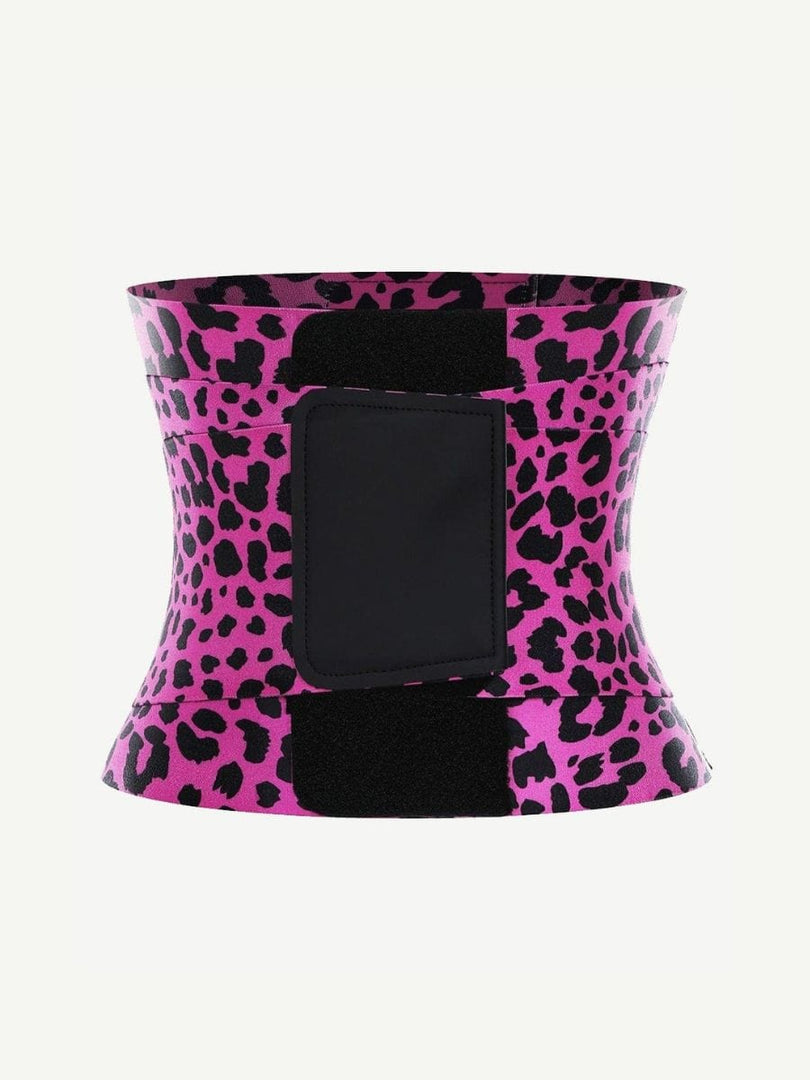
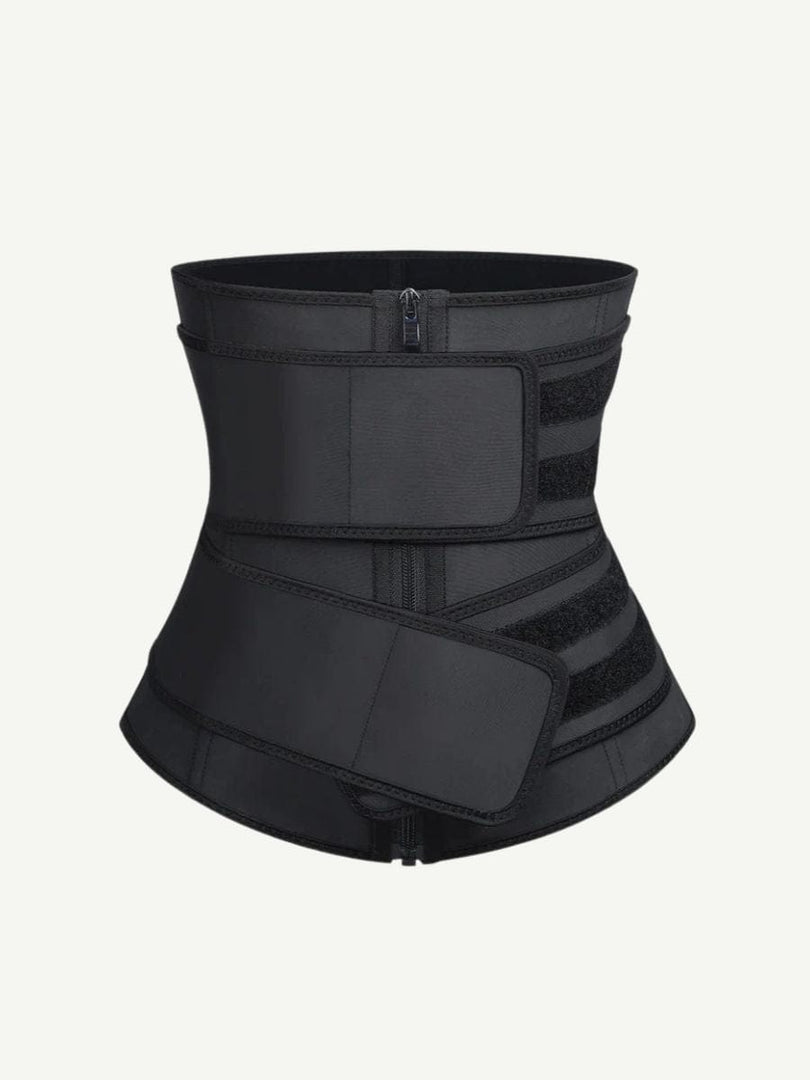
Waist-focused shaping garments.
-
Butt-lifting or padded designs.
-
Full-body styles with broader coverage.
These categories can overlap, but each product should have a clear role in the collection.
Understand your sales channel
A boutique may need a smaller, curated assortment, while an online retailer may be able to test more styles and use website data to compare demand. Distributors may place greater emphasis on consistent supply, repeat ordering, and product availability.
Private-label brands may also need to consider packaging, labels, product development, and brand positioning.
Your sales channel affects which products to prioritize, how much inventory to carry, and what type of supplier relationship will be most useful.
2. Build a Product Assortment Around Core Categories
Once the target customer is clear, select a balanced combination of product categories.
Start with versatile core products
Core products should meet broad customer needs and be suitable for repeat ordering. Depending on your market, these may include seamless bodysuits, shaping briefs, high-waisted garments, or everyday smoothing styles.
When comparing core products, review fabric performance, size availability, color options, and replenishment reliability. A product is not a strong core item simply because it looks attractive; it should also meet quality expectations and fit the commercial needs of the business.
Add differentiated products
After identifying the core range, consider adding products with more specific features. Examples include plunge-neck bodysuits, adjustable designs, removable-padded garments, or products with specialized coverage.
Differentiated products can make a collection more distinctive, but they should be selected for a reason. Avoid adding styles that duplicate the same function without providing a meaningful difference in fit, appearance, construction, or price.
Use a clear assortment structure
One useful approach is to organize the collection into three groups:
Core styles: Products intended to provide a stable foundation for the range.
Growth styles: Products that expand customer choice or address a promising demand segment.
Test styles: Limited selections used to evaluate a new feature, color, or product concept before committing to larger quantities.
This structure can help you introduce variety while keeping purchasing decisions manageable.
Explore our wholesale shapewear collection when reviewing possible categories for your assortment.
3. Compare Product Features Carefully
Products that appear similar in photographs may perform differently because of construction, fabric, and fit. A structured comparison helps buyers identify meaningful differences.
Fabric and stretch
Review the material composition, stretch direction, recovery, thickness, and transparency under tension. A fabric should suit the garment's intended function and feel appropriate for the target customer.
Ask the supplier to explain how the fabric is expected to behave during wear and after washing. If the product is important to your collection, request a sample for evaluation.
Compression and support
Shapewear products can differ in the level and distribution of shaping. Some focus on light smoothing, while others use firmer fabrics, reinforced panels, or structured construction.
Avoid selecting products based only on a general label such as “firm control.” Ask which areas the garment targets and how the construction contributes to its intended function.
Design and coverage
Neckline, strap width, back coverage, leg opening, garment length, and closure type can all affect customer suitability.
For example, a plunge bodysuit may serve customers looking for a lower neckline, while a full-coverage design may appeal to those who prefer more coverage. The product line should reflect the clothing styles and preferences of the target market.
Size range and grading
A supplier's size range should align with your customers' needs. Check the measurement chart, garment measurements, grading increments, and available sizes.
Do not assume that the same nominal size represents identical measurements across suppliers or product categories. Review samples and size specifications before placing a larger order.
4. Plan Colors and Sizes to Control Inventory
A product line can become difficult to manage when every style is offered in too many colors and sizes before demand is understood.
Choose colors strategically
Black and neutral shades may be useful starting points for many shapewear collections, but the right selection depends on the target customer and brand positioning.
Consider whether each additional color provides a meaningful commercial opportunity. New colors may require separate inventory commitments, and demand can vary by style and size.
Review size-level demand
Overall product sales do not tell the whole story. One style may sell well in a particular size range while another has a different distribution.
Where possible, review sales by style, color, and size. Use this information to guide replenishment rather than automatically repeating the same size ratio for every product.
Confirm replenishment availability
Before selecting a core product, ask whether the supplier can maintain consistent materials, colors, and construction across repeat orders. Changes in fabric or finishing may affect how customers perceive the product.
A supplier with clear inventory information and realistic lead times can help buyers plan purchases more effectively.
5. Evaluate Quality Before Committing to a Product
Quality affects customer satisfaction, returns, reviews, and repeat purchases. It should therefore be part of product selection from the beginning.
Request samples
Samples allow buyers to inspect the garment directly rather than relying on photographs or specifications alone.
Review stitching, edges, fabric consistency, closures, straps, and overall finishing. Where relevant, test the garment according to its intended use and follow the supplier's care instructions.
Check fit and movement
A garment should be evaluated in more than one static position. Consider how it fits while standing, sitting, walking, and bending.
Pay attention to areas that may roll, pinch, shift, or create uncomfortable pressure. Check whether straps and closures remain secure and whether the garment is easy to put on and remove.
Review quality-control procedures
Ask the supplier how materials are inspected, how production defects are identified, and how finished products are checked before shipment.
It is also useful to clarify how quality concerns are documented and resolved. Agreeing on expectations before ordering can reduce misunderstandings later.
For a more detailed evaluation, use a shapewear quality checklist during supplier discussions.
6. Compare Suppliers Beyond Unit Price
The lowest unit price does not always represent the best purchasing decision. Buyers should evaluate the complete commercial arrangement.
Minimum order quantity
MOQ affects how much inventory you must commit to before knowing the product's performance. Ask whether MOQ applies per style, color, size, or total order, and confirm any differences between stocked products and custom development.
A lower MOQ may be useful for testing new styles, while larger orders may offer different pricing conditions. Compare these options against realistic demand and available cash flow.
Production and delivery lead times
Ask for realistic lead times for samples, stocked items, repeat orders, and custom products. Clarify when production begins and which factors may delay delivery.
If the product is intended to support ongoing sales, replenishment reliability may matter as much as the initial order price.
Communication and documentation
A supplier should be able to provide clear specifications, pricing terms, size charts, packaging information, and order updates. Communication quality becomes especially important when you manage multiple products or customized requirements.
Customization capabilities
If you are building a private-label brand, confirm whether the supplier supports custom labels, packaging, logos, materials, or product development.
Clarify which changes are available for existing styles and which require a new development process. Ask about additional costs, approval steps, MOQ, and lead times before committing.
Learn more about our private-label shapewear services when planning a branded product line.
7. Calculate the Total Cost of Purchasing
Product costs should be evaluated in the context of the full order.
Consider the unit price, sample costs, shipping, packaging, customization, inspection, import-related expenses where applicable, and the cost of holding inventory.
The total cost can differ significantly between two products with similar quoted prices. A custom style may require additional development and packaging expenses, while a stocked style may offer a different lead-time and MOQ structure.
When comparing suppliers, use the same assumptions for order quantities, shipping arrangements, packaging requirements, and product specifications.
Do not base purchasing decisions on an estimated selling price alone. Consider your expected margins, operating costs, market positioning, and the amount of inventory you can reasonably support.
8. Decide Between Stock Products and Custom Development
Stock products can help businesses test demand without committing to a fully customized design. They may also make it easier to compare multiple styles and plan initial purchases.
Custom development can be useful when your brand needs a specific fit, feature, material, or appearance that is not available in an existing product. However, customization may involve additional development time, sampling, approval steps, and minimum quantities.
Before choosing custom development, define which features are essential and which are optional. If an existing product already meets your needs, a stock-based approach may be a more practical way to begin.
For custom projects, document the agreed specifications and approval process before production.
9. Test the Collection and Use Data to Improve It
A product line should evolve according to evidence, not assumptions.
Start with a manageable assortment, track sales by style and size, and review customer feedback. Identify which products generate repeat orders and which remain difficult to sell.
Useful indicators may include:
-
Sales by style, color, and size.
-
Repeat-order frequency.
-
Return and defect patterns.
-
Customer questions and product feedback.
-
Inventory turnover.
-
Replenishment lead times.
-
Gross margin after relevant purchasing and fulfillment costs.
Use these indicators to decide which products deserve more inventory, which need better descriptions or sizing information, and which should be discontinued.
Avoid expanding the range simply to increase the number of products. A smaller collection with clear positioning and reliable replenishment can be easier to manage than a large assortment with overlapping functions.
10. A Practical Checklist Before Placing Your Order
Before confirming a wholesale order, make sure you have reviewed:
-
Target customer and product positioning.
-
Product function, construction, and coverage.
-
Fabric performance and sample quality.
-
Size charts and grading consistency.
-
Color availability and replenishment.
-
MOQ and pricing structure.
-
Lead times and shipping arrangements.
-
Quality-control expectations.
-
Packaging and customization requirements.
-
Supplier communication and order documentation.
-
Inventory budget and expected demand.
This checklist provides a repeatable process for comparing products and suppliers.
Conclusion
Choosing shapewear for your product line requires a balance of customer needs, product quality, assortment planning, supplier reliability, and inventory management.
Start by defining your target market and selecting a focused range of core products. Compare construction, fit, compression, sizing, and quality before expanding into more specialized styles. Then evaluate MOQ, lead times, customization options, and total purchasing costs to ensure that the products fit your business strategy.
A disciplined selection process helps wholesale buyers build a collection that is easier to manage, easier to replenish, and better aligned with customer demand.
Browse our wholesale shapewear collection, explore available bodysuit styles, or contact our team to discuss your wholesale sourcing requirements.
